Fractional Doesn’t Mean Temporary: What Happens When the Engagement Ends
A good fractional engagement doesn't end when the person leaves. It ends when the function no longer needs them to.



A good fractional engagement doesn't end when the person leaves. It ends when the function no longer needs them to.
An open-ended retainer rarely delivers transformation. It delivers ongoing activity — which is a different thing, billed the same way.
Most 'outsourced function' arrangements are really just a vendor relationship with a longer contract. Ownership requires something different.
Adding senior hires to a founder-dependent business rarely fixes the bottleneck. Without a change in decision rights, every new hire just queues at the same desk.
Every business eventually gets governance — either built voluntarily, early and cheaply, or imposed later by an investor, a lender, or a crisis.
Most mid-market businesses have more data than they've ever had — and it changes fewer decisions than ever. The gap usually isn't the data.
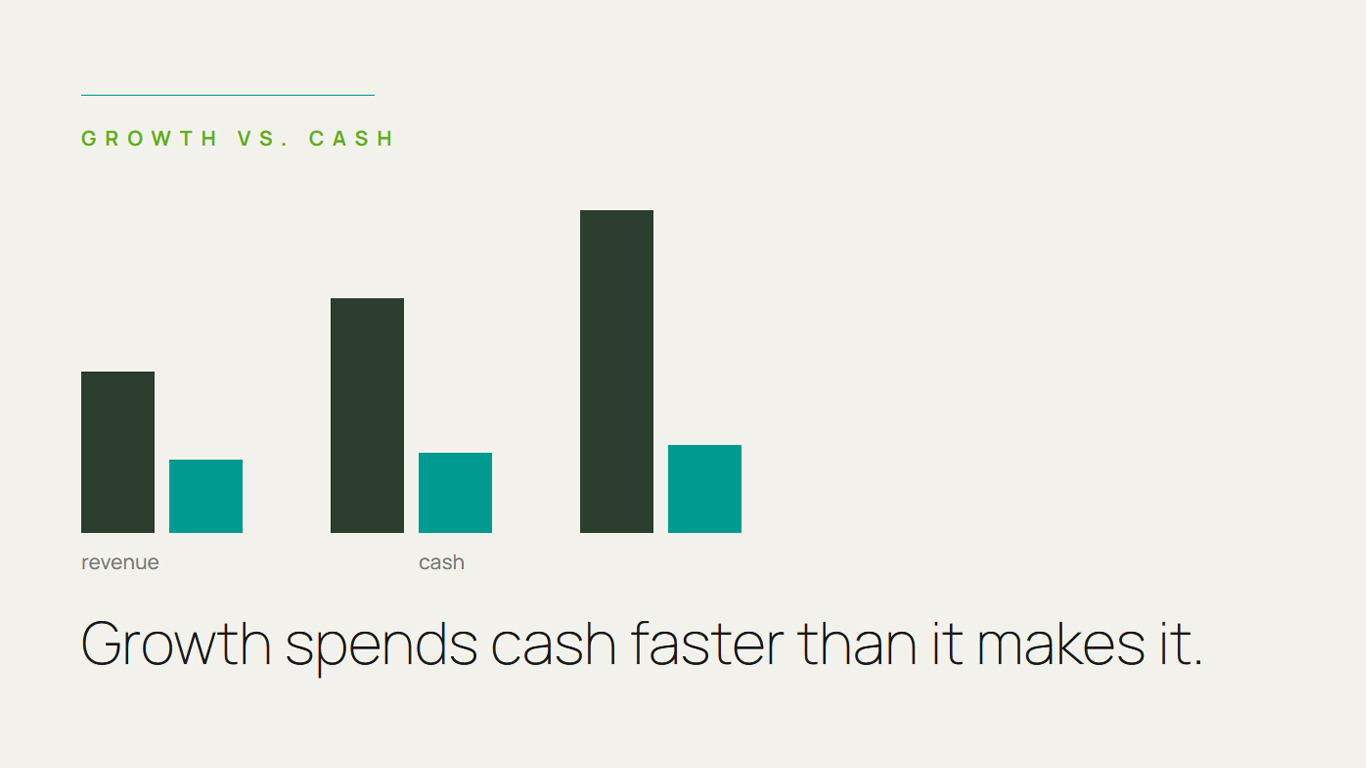
A growing top line and a healthy P&L can sit right next to a business that's weeks away from a cash crisis — and growth is usually what's hiding it.
A brand isn't usually damaged by one bad decision. It's eroded slowly, by a hundred small departures nobody thought were worth flagging.
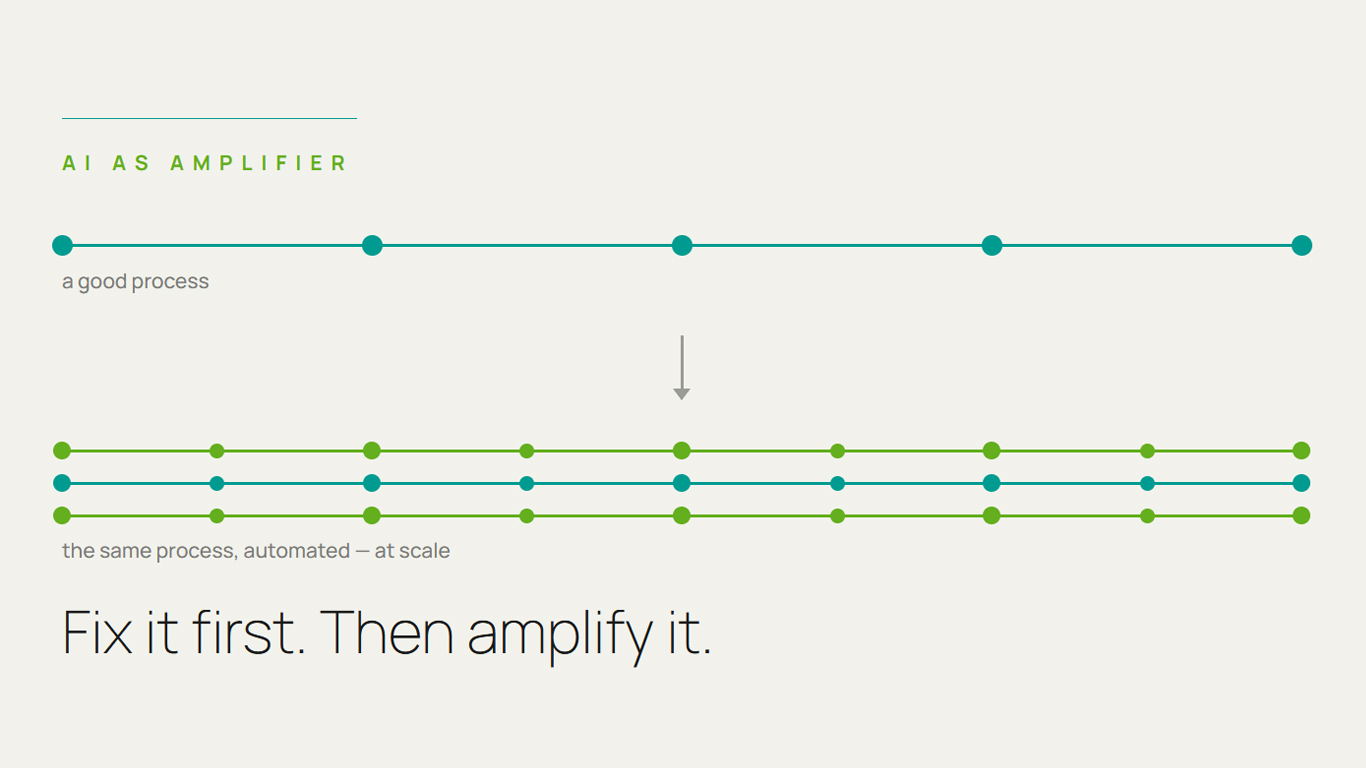
Most mid-market AI projects disappoint for the same reason: the business automated a broken process instead of fixing it first.
A brand identity isn't a logo. It's the decision system that lets a hundred different people, on a hundred different days, produce something that still looks like one company.