

industry insights
Thinking on business transformation, practice, and the Indian mid-market.
The thinking on this page comes from the Cerebratum principals — Radhika and Praveen — written from the inside of engagements, not from the outside looking in. No generic advice, no recycled frameworks. What gets published here is what we are actually working through with clients, what the market is getting wrong, and what we think is worth saying clearly. Posts are organised by practice area — use the categories to find what is most relevant to your situation.
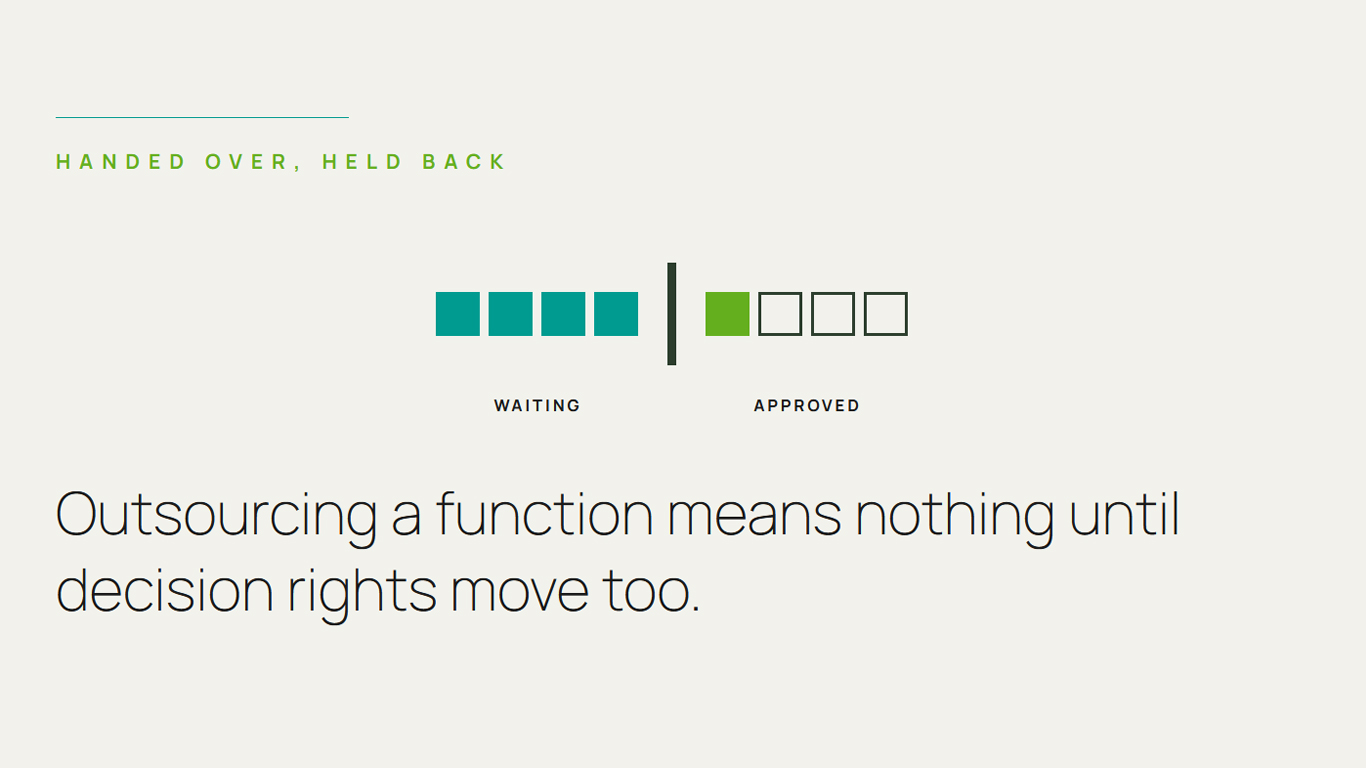
You Outsourced the Function but Kept the Approvals
Most outsourced functions start with real authority. Then a bad month brings a sensible exception, then another, and none of them ever expire. By month four, the integrated team is an expensive request queue, and the founder concludes outsourcing doesn't work.
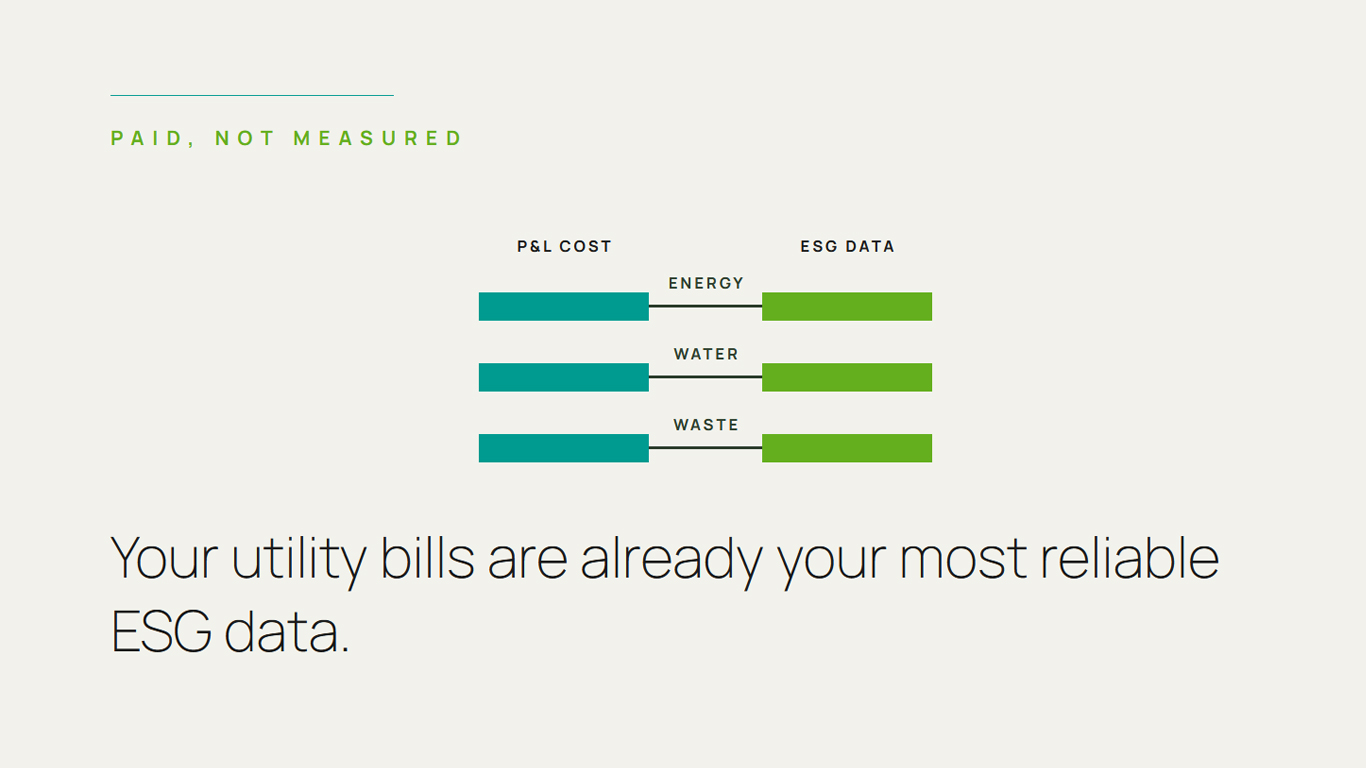
Start ESG With the Bill You Already Pay
Most mid-market ESG programmes start with a framework and end with a report. Meanwhile, the most reliable environmental data the business has, its energy, water and waste bills, gets paid every month and never looked at. That's where ESG should start.
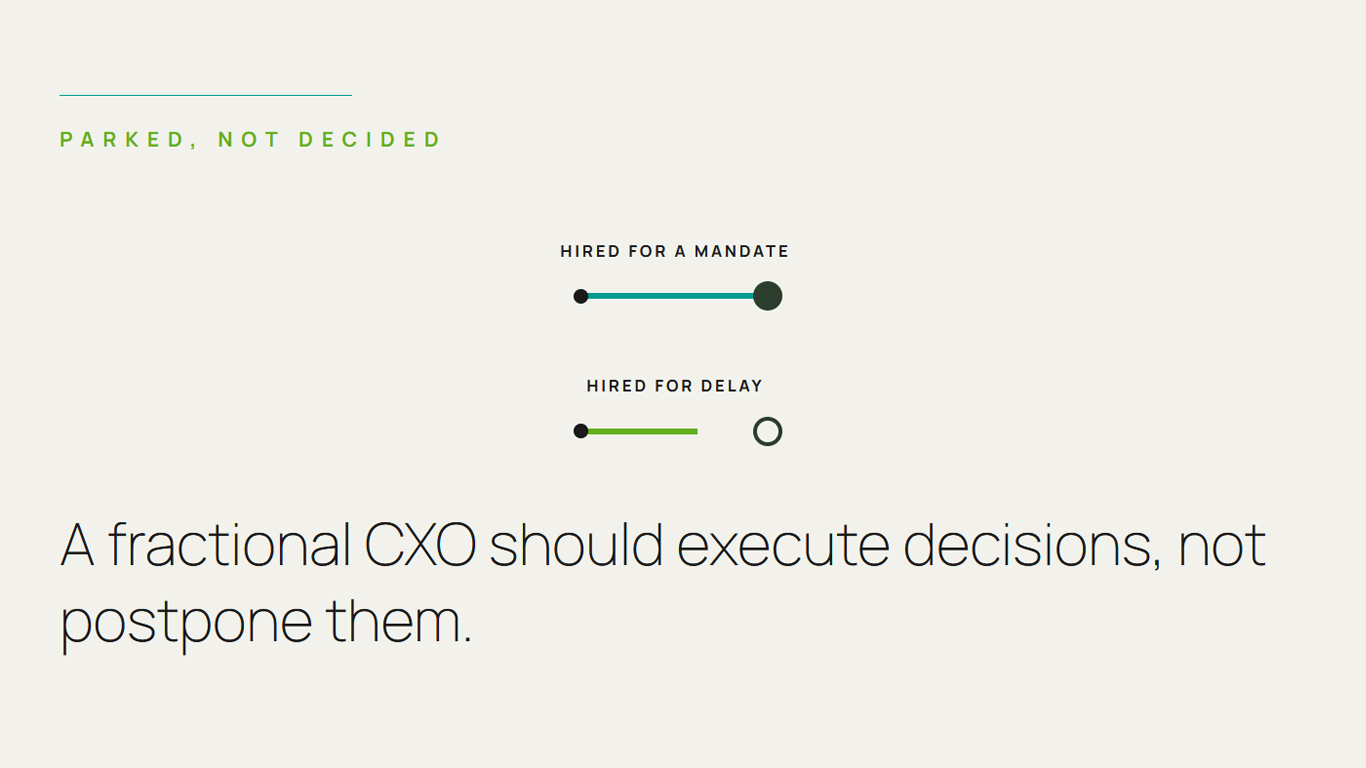
Don’t Hire a Fractional CXO to Avoid a Decision
A fractional CXO can be the sharpest move a mid-market business makes, or an expensive way to avoid a conversation. The difference is whether there's a mandate or just a delay. Here's how to tell before you sign.
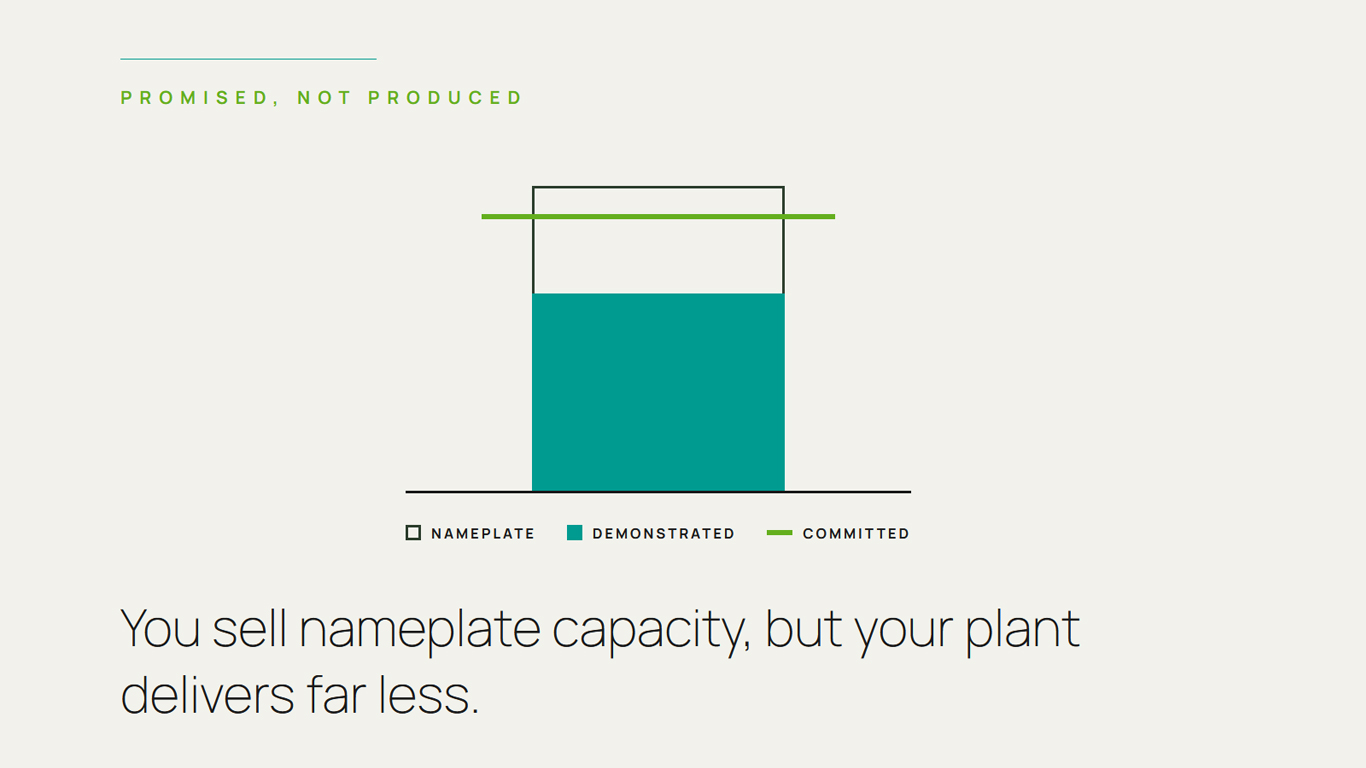
Your Capacity Plan Assumes a Factory You Don’t Have
Most mid-market plants plan against the capacity they installed, not the capacity they actually deliver. The gap gets covered with overtime and air freight, so it never shows up in the data. Until a big customer notices.
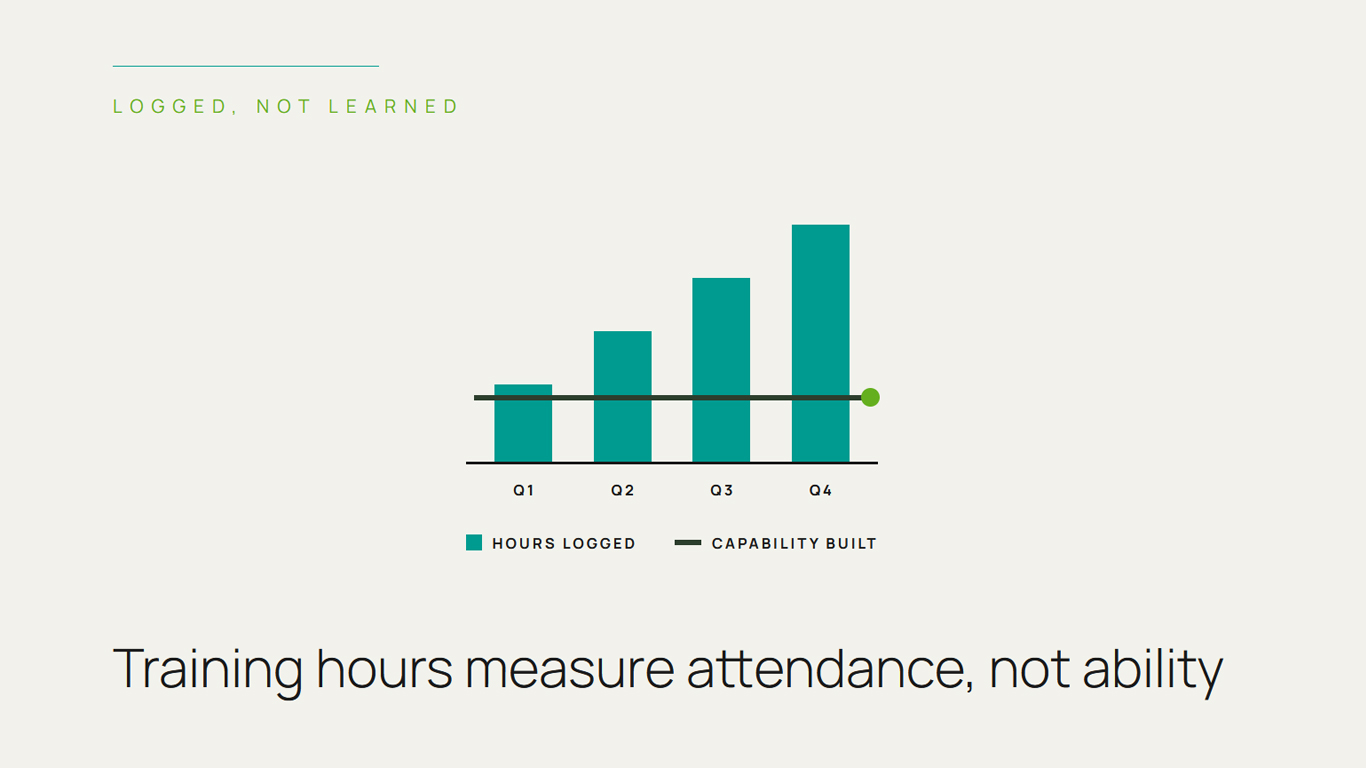
You’re Measuring Training in Hours, Not Capability
Most mid-market L&D reviews celebrate hours logged, programmes run and feedback scores. None of those tell you whether anyone can do anything they couldn't do last April. Capability is the output; hours are just the receipt.
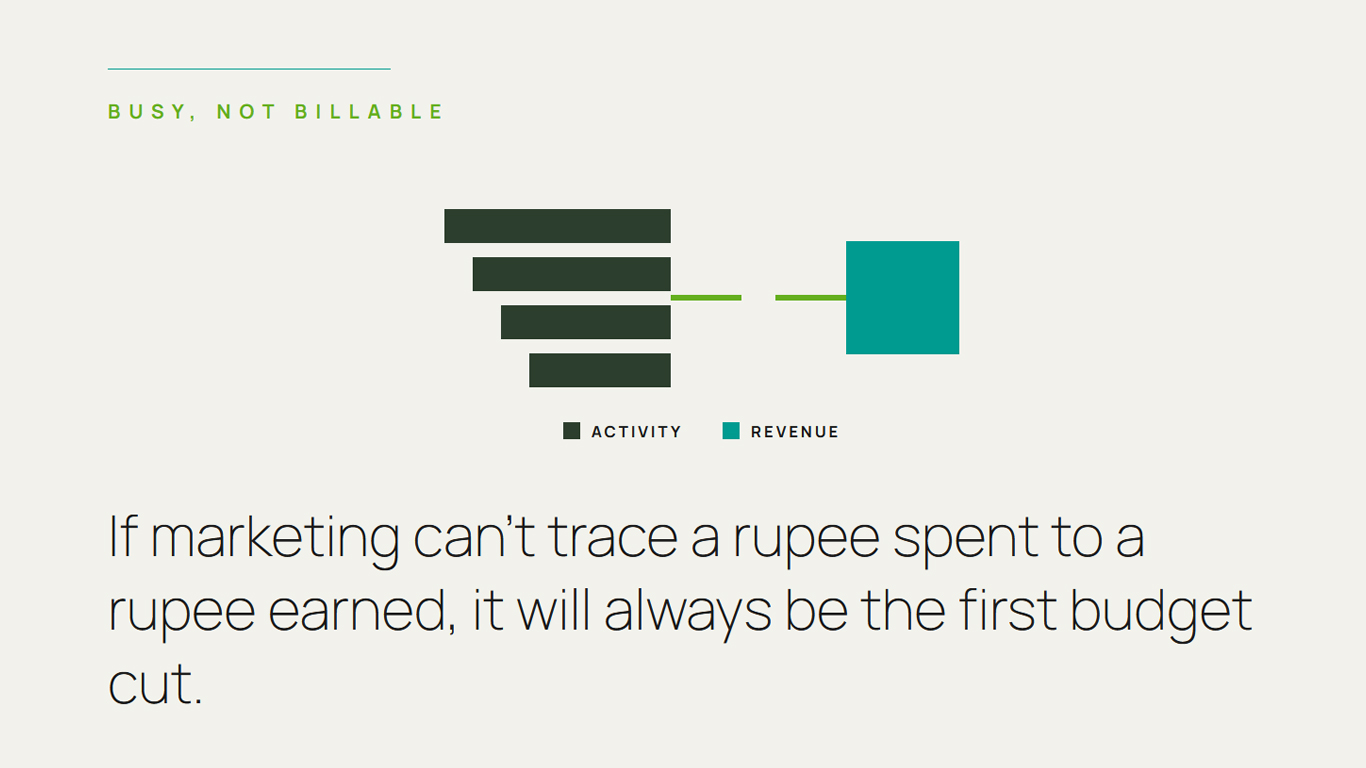
Your Marketing Reports Activity, Not Revenue
The monthly marketing report is thirty slides of posts published, impressions earned and leads generated. The founder asks one question — how much revenue did this bring in? — and nobody in the room can answer. That's why marketing is always the first budget cut.
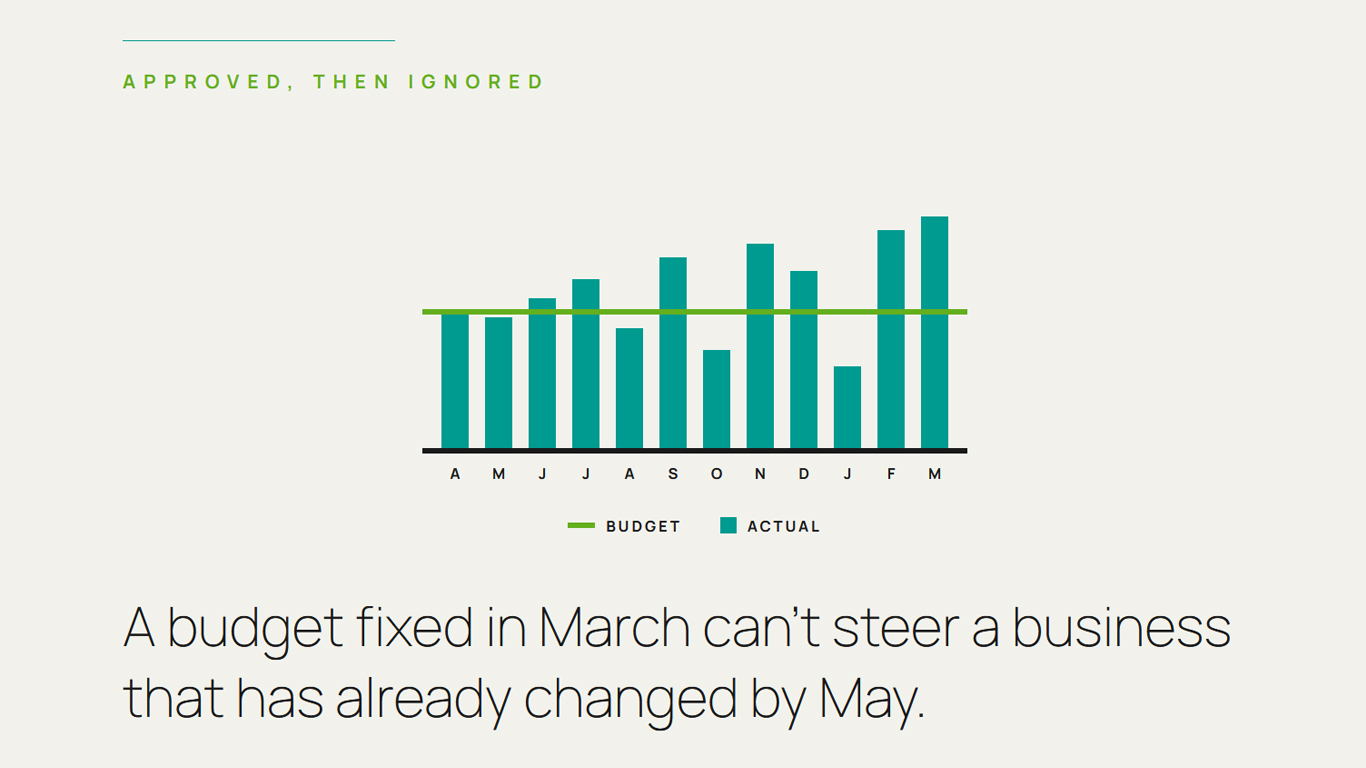
The Budget That Was Obsolete by May
Every January, finance chases every department for numbers. By March, the board approves a budget. By May, a large order slips, a raw material price jumps, and the budget quietly stops being used — while everyone keeps reporting against it.
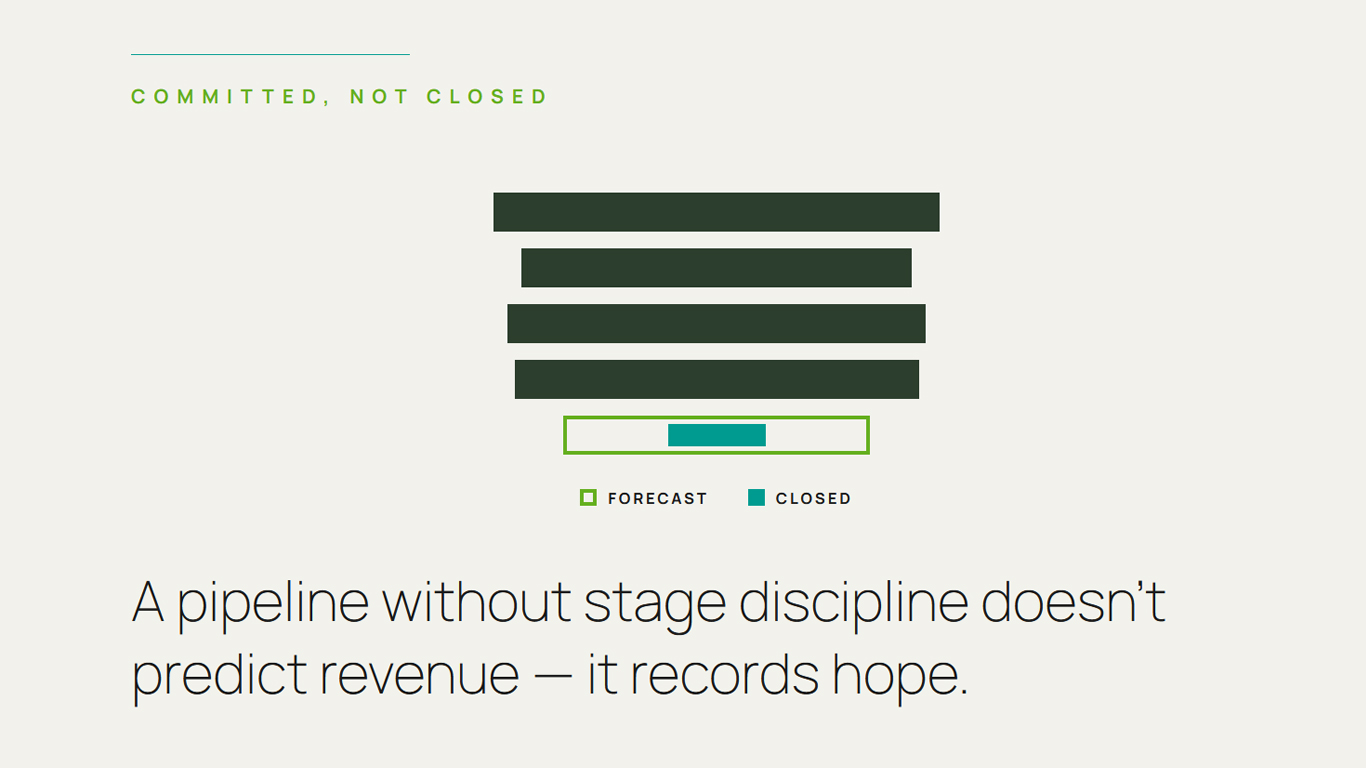
Your Pipeline Is a Wish List, Not a Forecast
The pipeline review says ₹40 crore. The quarter closes at ₹11. Nobody lied — the deals were real, the conversations happened. But a list of hopeful conversations isn't a forecast, and hiring and cash plans built on it are built on sand.
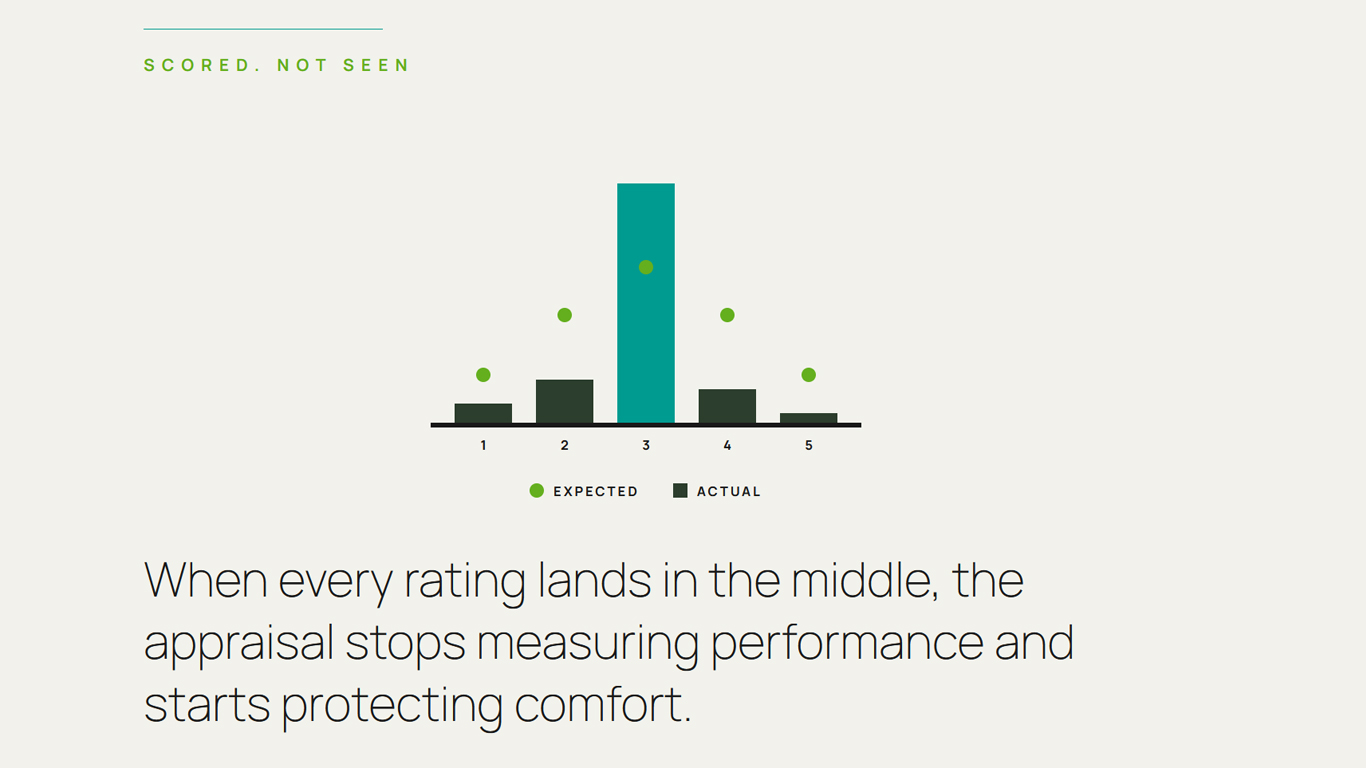
The Annual Appraisal Everyone Games
Every April, the forms go out, the ratings come back clustered around the middle, and increments are decided the way they were always going to be. Everyone knows the appraisal is theatre. The cost is paid by the people who actually perform.